

Coliving Marketing: Get the First 100 Customers for your Coliving, Funding Opportunity for Indian Coliving Players, Loneliness Paradox, Coliving IPO, and Everything Else Coliving

Case Study: How I Got the First 100 Customers for Multiple Coliving Brands (Without Burning Cash)
One of the most common questions I get from new coliving operators is
“How do I attract my first 100 residents without spending a fortune?”
This is not theory for me. Over the last 11 years, I have repeatedly used the same playbook to generate the first 100 customers in the most cost-effective way possible, starting with SimplyGuest in 2015 and later expanding to multiple coliving brands globally.
Here’s what actually worked.
1. Launch the brand before the building opens
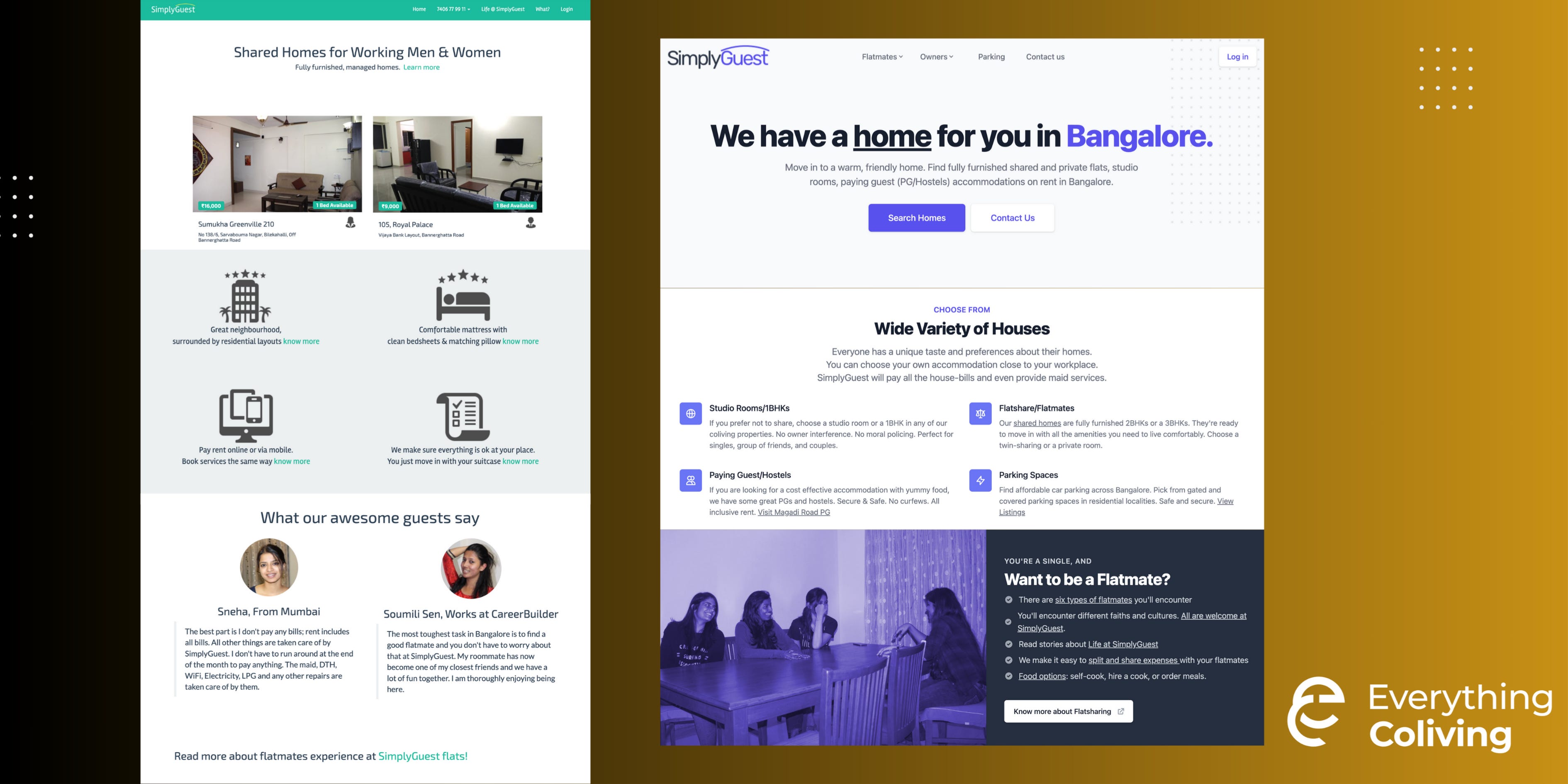
One of the biggest mistakes operators make is waiting for the space to be ready before going online. At SimplyGuest, we launched a simple one-page website months before opening, clearly stating:
We provided information about who we were building for, along with some sample home listings.
What problem we were solving/value proposition
What kind of community we wanted to create
This did three things immediately:
Gave us a domain and a link we could share
Started building early SEO signals
Created a waitlist mindset, and people started reaching out.
By simply sharing this with friends, family, and early networks, we generated 100+ inbound inquiries before we actually started operations.
Early visibility compounds. Waiting doesn’t. Here are some screenshots of the first version of the website and the last one before we closed operation. The evolution will always happen, but it’s always about starting and putting it out there.
2. Tell the story publicly (social > perfection)
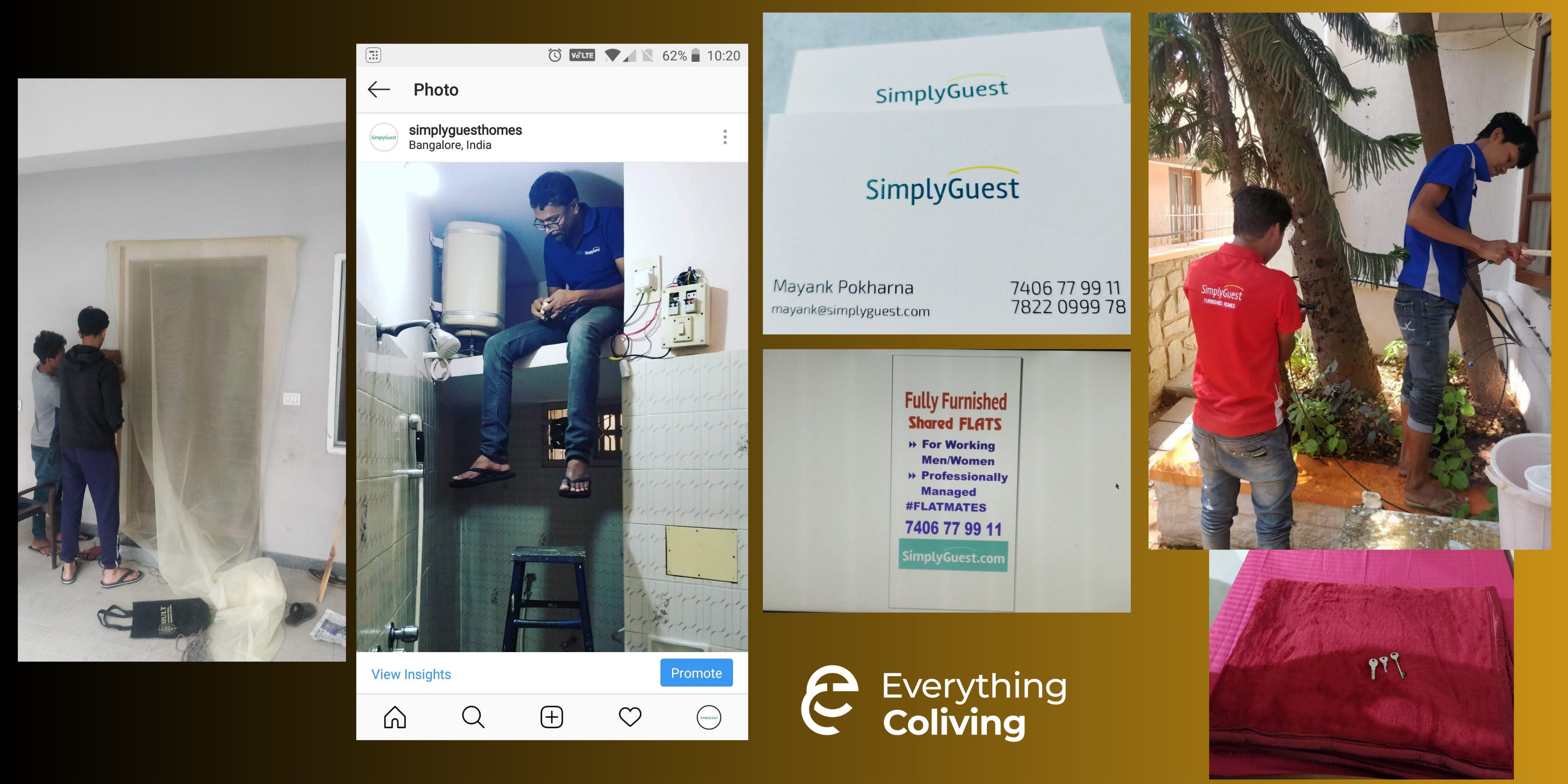
Every era has its dominant platform. In 2015 it was Facebook; today it might be Instagram, LinkedIn, or even Reddit.
The tactic stays the same:
Share behind-the-scenes decisions
Furniture selections, layout debates, mistakes, delays
Wins and failures
This isn’t marketing—it’s credibility building.
People don’t book rooms; they buy into founders and intent. We kept sharing true stories of the why behind the what, and that helped us create a huge positive brand.
3. Own local discovery from Day 1
Before launch:
Set up Google My Business
We extensively used Quora to answer user queries because, back in 2015, it was one of the go-to platforms for learning from other people's experiences. Today I have more than 1.2 million views and have answered 600+ questions on the platform.
Focus heavily on local visibility

This alone drives trust, local SEO, and increasingly even AI/LLM discovery in today’s time. I’d also add:
Actively contributing to Reddit (build karma >500)
Creating a branded subreddit for your city or brand
Reddit has quietly become one of the strongest intent platforms for housing decisions.
4. Don’t chase broad keywords; chase intent
“Coliving in Barcelona” sounds great—but it’s expensive and competitive.
What converts?
“Coliving near [office / landmark]”
“Best areas to live in [city]”
“Housing near [company / hospital / university]”
~80% of real searches fall into these buckets.
We built:
Locality pages
Landmark-based content
Employer-adjacent housing content
All free traffic, all high intent and very low competition, as no one likes to spend time on specifics; we all look for vanity metrics. In 2019 we were generating about 400 leads per month from the website at ZERO cost after 4 years of operation for an inventory of about 400+ rooms.
5. Make SEO a mindset, not a channel
SEO isn’t just blogs.
Everything contributes:
Website
Social posts
Reddit & Quora answers
Google My Business
Founder profiles
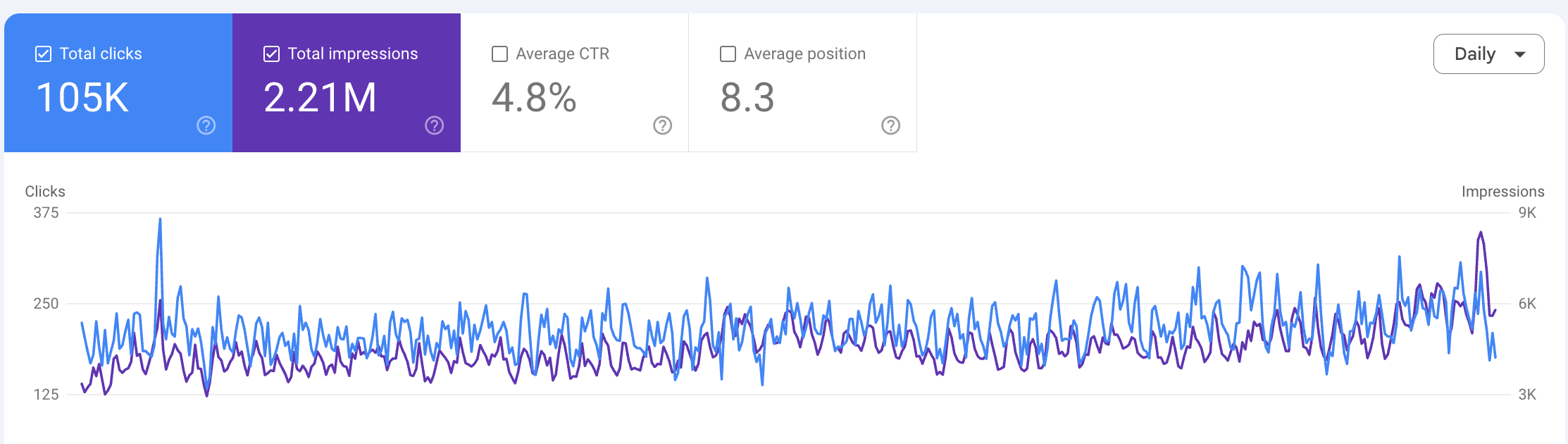
It’s common sense, not rocket science, but it must start early, and then remain consistent with it. It always has to be the center of your strategy. After 6 years of continuous work on SEO, we created something meaningful and beautiful with ZERO spend before we decided to move on. This was the data for the last 16 months back in 2021 for the website.
6. Be very shameless to ask for media coverage.
We were covered in more than 25 publications, including a prime time slot on TV covering startups, and were compared to billion-dollar companies like OYO Rooms back then.
All we ever did was keep reaching out to people in media writing about coliving and shared living and keep sharing our insights and stories consistently. That was all we ever did.
No paid PR, no paid articles. All organic.

7. B2B partnerships beat paid ads (early on)
One of our highest-ROI moves at SimplyGuest was corporate tie-ups. We:
Identified 20–30 companies hiring young professionals
Pitched HR teams on proximity + productivity
Positioned coliving as a benefit, not housing
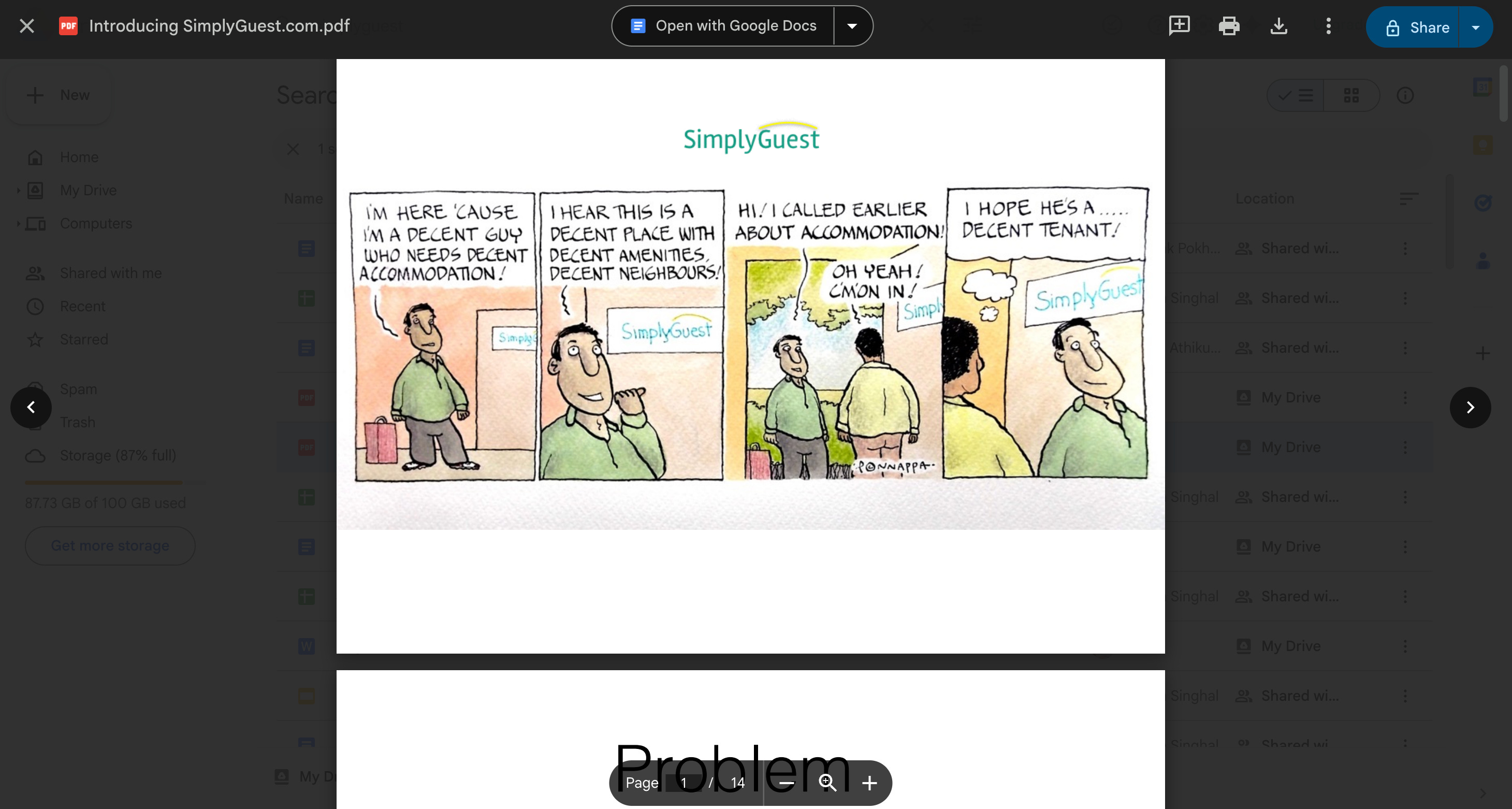
Result: Zero-cost, high-quality referrals straight from HR teams. We would send this presentation to build our case and then would meet HRs of the company to pitch the value proposition.
8. Use performance marketing, but keep it simple
If you have a budget, paid ads can work—but only if done right.
What worked for me in recent times:
Performance Max > Search
Clear segmentation (students vs professionals)
Separate asset groups per audience
Limited competitor campaigns (expensive, but high intent)
I’ve spent $2M+ across 11 years on performance marketing, and the biggest lesson is simple:
Don’t overcomplicate it. Keep it simple stupid (KISS)
9. Be everywhere your customers ask questions
Before booking, people research.
We consistently:
Answered questions on Quora & Reddit
Used founder profiles (not brand spam)
Actively helped people in Facebook housing groups
Still today, Facebook groups remain one of the largest lead sources for rental real estate globally if done authentically. The effectiveness of using Facebook groups depends on the approach you take, as everyone understands the importance of this method.
10. Play with marketplaces; don’t fight them
Platforms like
Kijiji (Canada)
Flatmates (Australia)
Coliving.com (global)
Regional listing sites
…are not your enemy.
Treat them as distribution partners, provide value, and they will convert.
The outcome
By integrating all of this early brand building, local SEO, community storytelling, partnerships, and selective paid media, we consistently helped coliving brands reach their first 100 customers with minimal CAC.
This is precisely where Everything Coliving now comes in:
We don’t run isolated campaigns; we integrate all these channels into one coherent growth engine, so operators don’t feel overwhelmed and can focus on building outstanding communities.
If you’re building your first coliving space (or your fifth), this playbook still works.
Every time.
If you are looking for help in marketing your coliving spaces, please reach out.
Everything Else Coliving
General Coliving News
If you are an Indian coliving brand and looking to raise funds, please reach out to Vineet K. Neeraj. He recently wrote on LinkedIn.
𝗜𝗻𝘃𝗲𝘀𝘁𝗼𝗿 𝗧𝗵𝗲𝘀𝗶𝘀 𝟭 | 𝗖𝗼-𝗪𝗼𝗿𝗸𝗶𝗻𝗴, 𝗖𝗼-𝗟𝗶𝘃𝗶𝗻𝗴 & 𝗥𝗲𝗹𝗮𝘁𝗲𝗱 𝗕𝘂𝘀𝗶𝗻𝗲𝘀𝘀𝗲𝘀
Targeting co-working, co-living, and allied businesses that are moving beyond experimentation toward disciplined operations with strong unit economics and repeatable expansion playbooks.
𝗜𝗻𝘃𝗲𝘀𝘁𝗺𝗲𝗻𝘁 𝗮𝗽𝗽𝗿𝗼𝗮𝗰𝗵:
𝗦𝘁𝗮𝗴𝗲: Flexible (including strategic investments)
𝗧𝗶𝗰𝗸𝗲𝘁 𝘀𝗶𝘇𝗲: ₹5–15 Cr (up to ₹50 Cr for the right opportunity)
𝗪𝗵𝗮𝘁 𝘄𝗲’𝗿𝗲 𝗹𝗼𝗼𝗸𝗶𝗻𝗴 𝗳𝗼𝗿:
• Co-working, co-living, or allied businesses with demand traction
• Proven unit economics and a credible path to profitability
• Scalable, city-by-city expansion strategy
• Strong operator mindset with deep on-ground executionThe Paradox of Connection: The “Economy of Loneliness” in Modern Life. As a response to loneliness and high housing costs, co-living has become the preferred option for young professionals and older adults alike. It’s no longer about sharing an apartment out of economic necessity but about choosing to live in buildings designed to foster interaction: shared kitchens, community gardens, and social events are included in the rent. It’s a return to tribal living, but with the comforts and privacy of the 21st century.
This small town in Malaga doesn’t have a beach, nor does it need one to attract people: it’s a paradise for digital nomads. Benarrabá is a coliving village: you have accommodation, a space for teleworking, and lots of sociocultural activities with the people who live there. It is a success story in revitalizing the life of a town and offering an environment diametrically opposed to that of a big city.
Andreea Rusu is building a community of coliving community builders. If you are one, do join her community. More details here.
Savills strengthens the coliving team with a senior director. International real estate advisor Savills has appointed Charlie Weatherill as a director within its market-leading Operational Capital Markets (OCM) division.
New Coliving Projects & Funding
Co-living operator The Assembly Place launches Catalist IPO at S$0.23 a share. The company will have an estimated market capitalisation of about S$88.1m post-listing
Líbere Hospitality Group launches its first ‘coliving’ space in Madrid in partnership with Santander and Neinor for 60 million euros. The property in the Las Mercedes neighborhood will have 165 units and the project is scheduled for delivery in 2028. With this first building of its kind, the hotel group raises its portfolio of units in Madrid to 404.
FCBS Proposes 272-Home Co-Living Development in Bath. The scheme aims to revitalize a neglected site on the banks of the River Avon in the Bath Western Riverside regeneration area.
Plans for six-story Summerland Street student block submitted for approval
Spinnaker Estates’ application for full planning permission for 180-bed redevelopment would increase the number of student beds in the immediate area to 1,754.
Strong buyer demand for residential investments in Sydney has resulted in $155 million in sales of apartment blocks and groups of townhouses by two agents in Knight Frank’s Investment Sales team over 2025. The most recent sales included 142 Carillon Avenue in Newtown, a block with 37 studio co-living apartments that sold off market for $21.5 million.

We hope you enjoyed this edition and wish you a great weekend ahead. Reply us with your thoughts on what more you want to read and if you have any feedback.
Mayank & Everything Coliving Team
PS: If you want us to cover anything, please mail it by replying to this email.
I will be happy to follow you! Robert Barnard took me off on you :)